
Pulses
Home -> Pulses
About Pulses
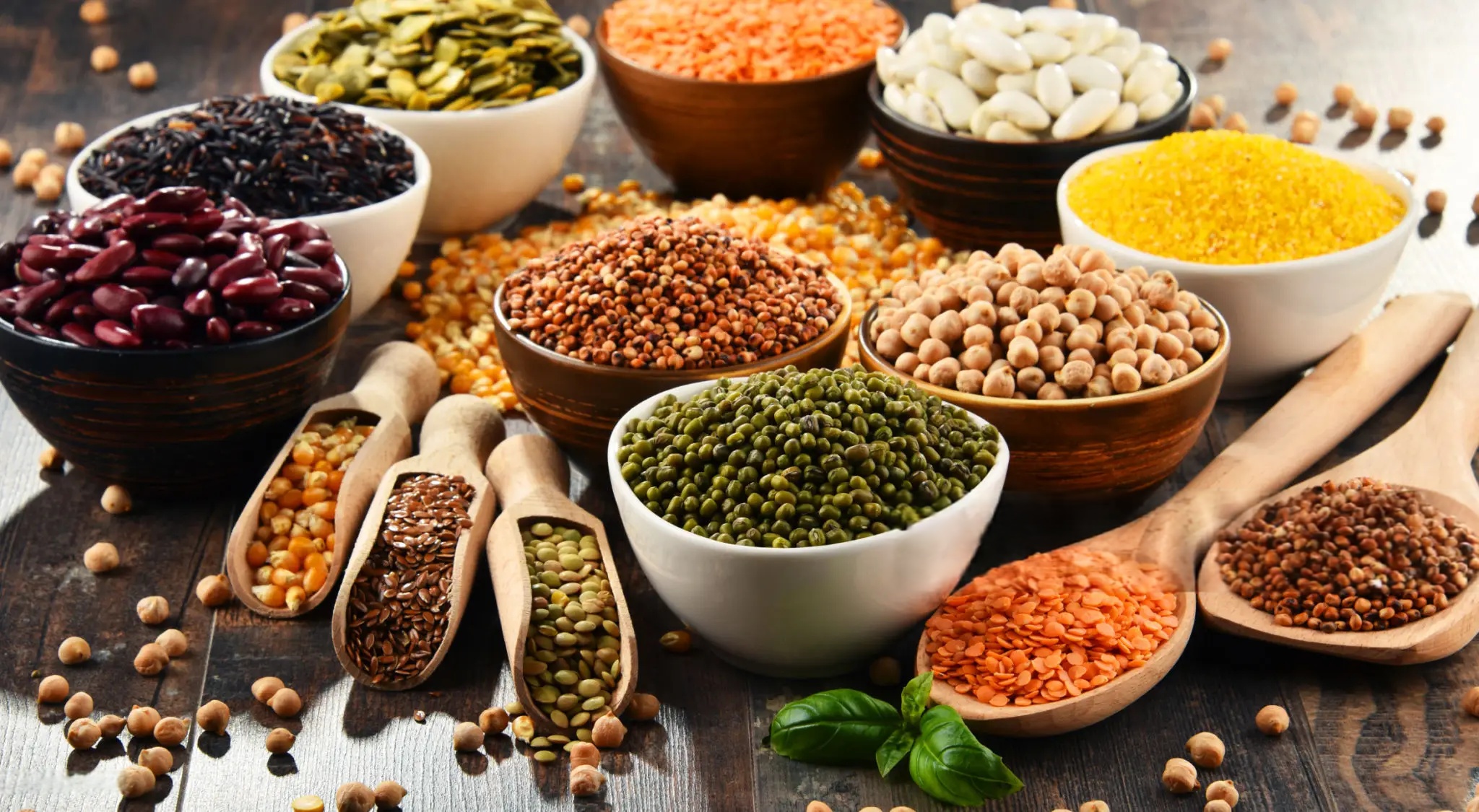
AnantSetu is dedicated to supplying premium-quality, authentic pulses (dals) to both national and international markets. Our pulses not only meet stringent food safety and health standards but also deliver complete nutritional value and exceptional taste.
Rich in fiber, complex carbohydrates, vitamins, and minerals—and naturally low in fat—our pulses are a smart choice for a healthy lifestyle. Processed with utmost care, they maintain their natural color, texture, aroma, and delicate flavor, ensuring top-notch quality in every grain.
Indian pulses—delicious in taste, superior in quality, and ideal for health. AnantSetu is committed to fulfilling the global demand for Indian pulses with consistency, purity, and care.
Our range of Pulses
- Red Whole Lentils / Red Split Lentils (Masoor Gota / Masoor Dal)
- Black Matpe / Urad Bean / Black Gram (Urad Whole and its Dal)
- Green Gram (Moong Whole and its Dal)
- Chick Peas / Bengal Gram (Gram Whole and its Dal)
- Green Peas / Yellow Peas / Dun Peas (Matar Whole and its Dal)
- Tyson Chick Peas (Arhar / Toor Whole and its Dal)
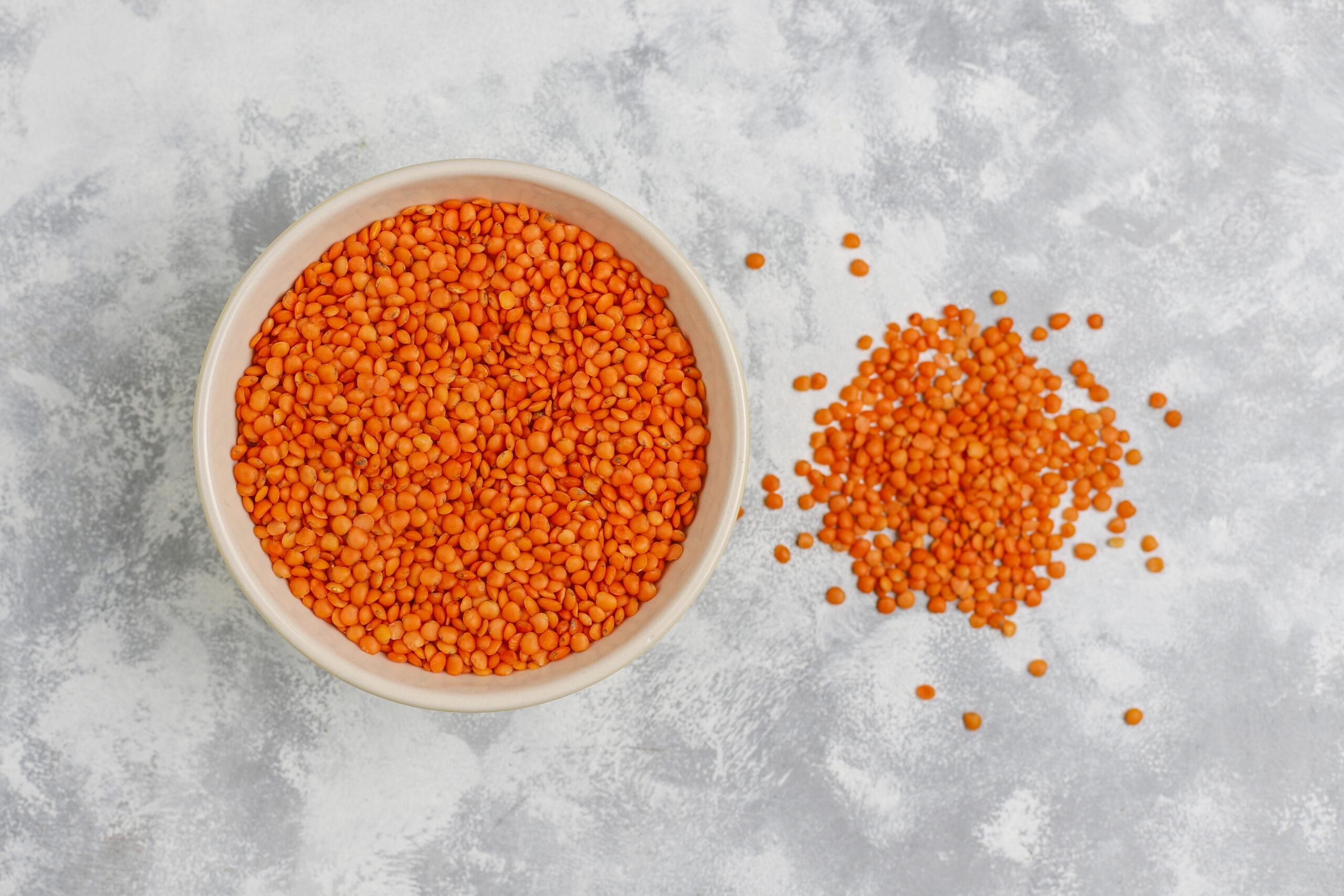
Red Whole Lentils / Red Split Lentils (Masoor Gota / Masoor Dal)
Red whole lentils are a widely consumed legume, valued as a key source of plant-based protein and essential nutrients in diets around the world. As one of the most important pulses, red lentils contribute significantly to daily nutrition and food security, especially in vegetarian and vegan diets.
Providing a rich supply of protein, fiber, iron, and vitamins, red whole lentils are an integral part of traditional dishes and staple foods across many cultures. Their versatility, quick cooking time, and ability to complement a variety of flavors make them a popular choice in both everyday meals and festive cuisine. As a sustainable crop, red lentils also play a vital role in agriculture and global food systems.
Black Matpe / Urad Bean / Black Gram (Urad Whole and its Dal)
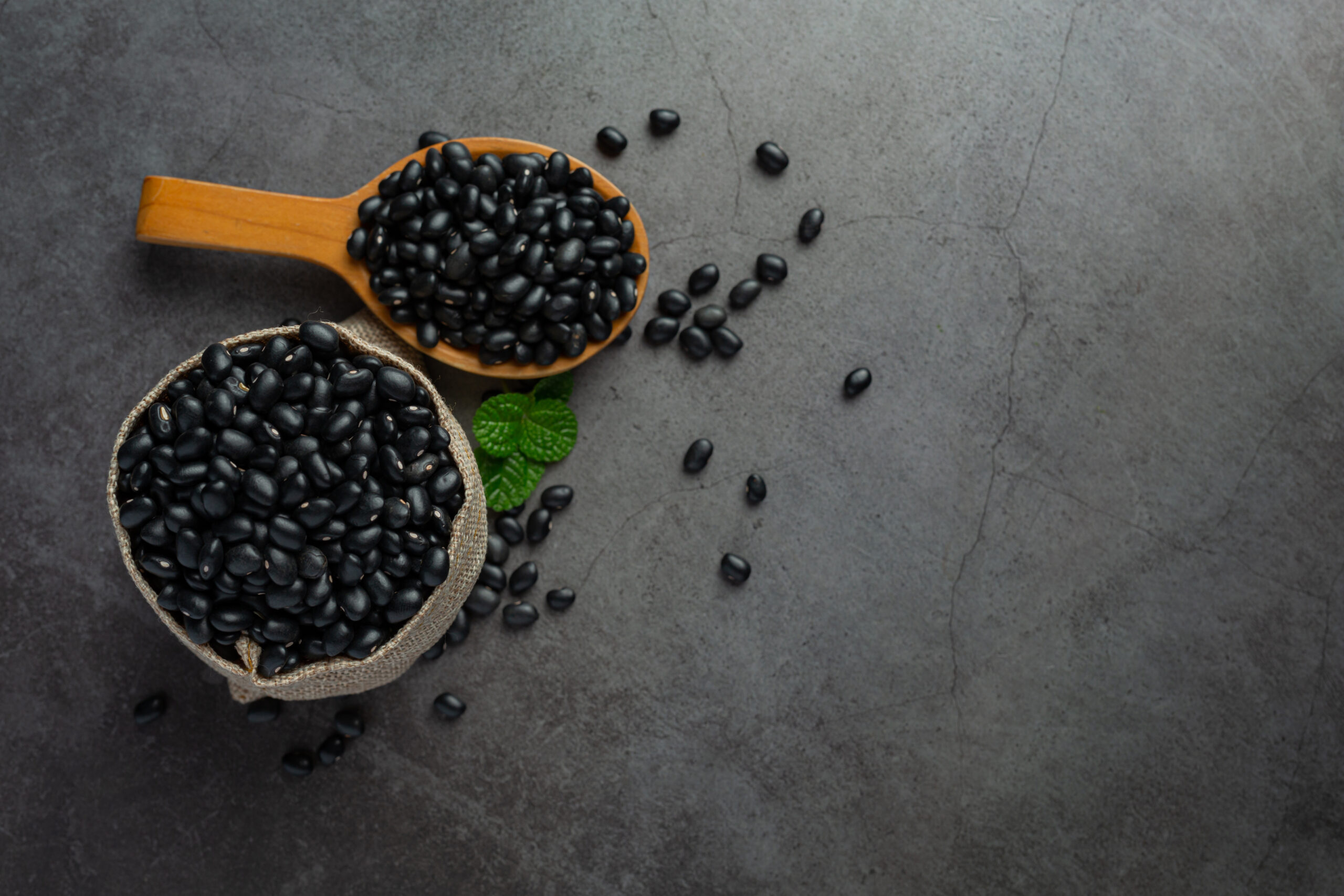
Black gram, also known as urad dal, is a highly valued legume widely consumed in South Asia and beyond, playing a crucial role in daily nutrition and food security. As one of the most important pulses, black gram is a staple ingredient in traditional diets, renowned for its rich protein content and essential minerals.
Contributing significantly to plant-based protein intake, black gram is an excellent source of dietary fiber, iron, calcium, and B vitamins. Its versatility makes it a fundamental component in a variety of dishes—from dals and soups to savory snacks and fermented foods like idli and dosa batter. With its robust flavor and unique texture, black gram supports both nutrition and culinary diversity while playing a vital part in sustainable agriculture and food systems around the world.
Green Gram (Moong Whole and its Dal)
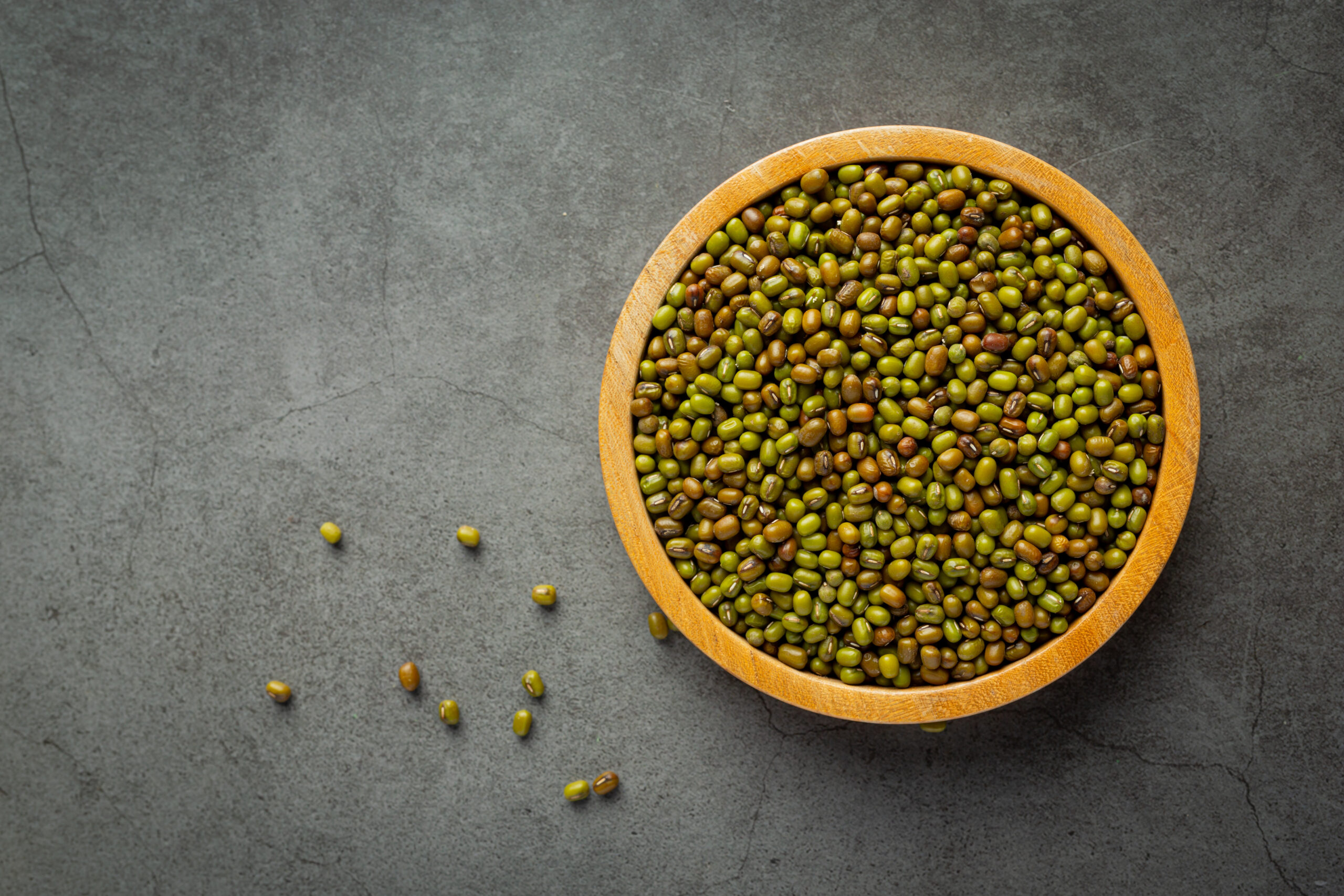
Green gram, commonly known as mung bean or moong dal, is a highly nutritious legume that serves as an essential part of diets in many countries, especially across Asia. As a significant source of plant-based protein and micronutrients, green gram supports daily nutrition and food security for millions of people.
Rich in protein, dietary fiber, folate, iron, and antioxidants, green gram is valued for its easy digestibility and health benefits. Its culinary versatility allows it to be used in a wide range of dishes, from soups and salads to sprouted snacks, dals, and even desserts. Green gram’s quick cooking time and mild flavor make it a popular ingredient in both traditional and modern recipes. As a sustainable crop, it also contributes positively to agricultural practices and global food systems.
Green Peas / Yellow Peas / Dun Peas (Matar Whole and its Dal)
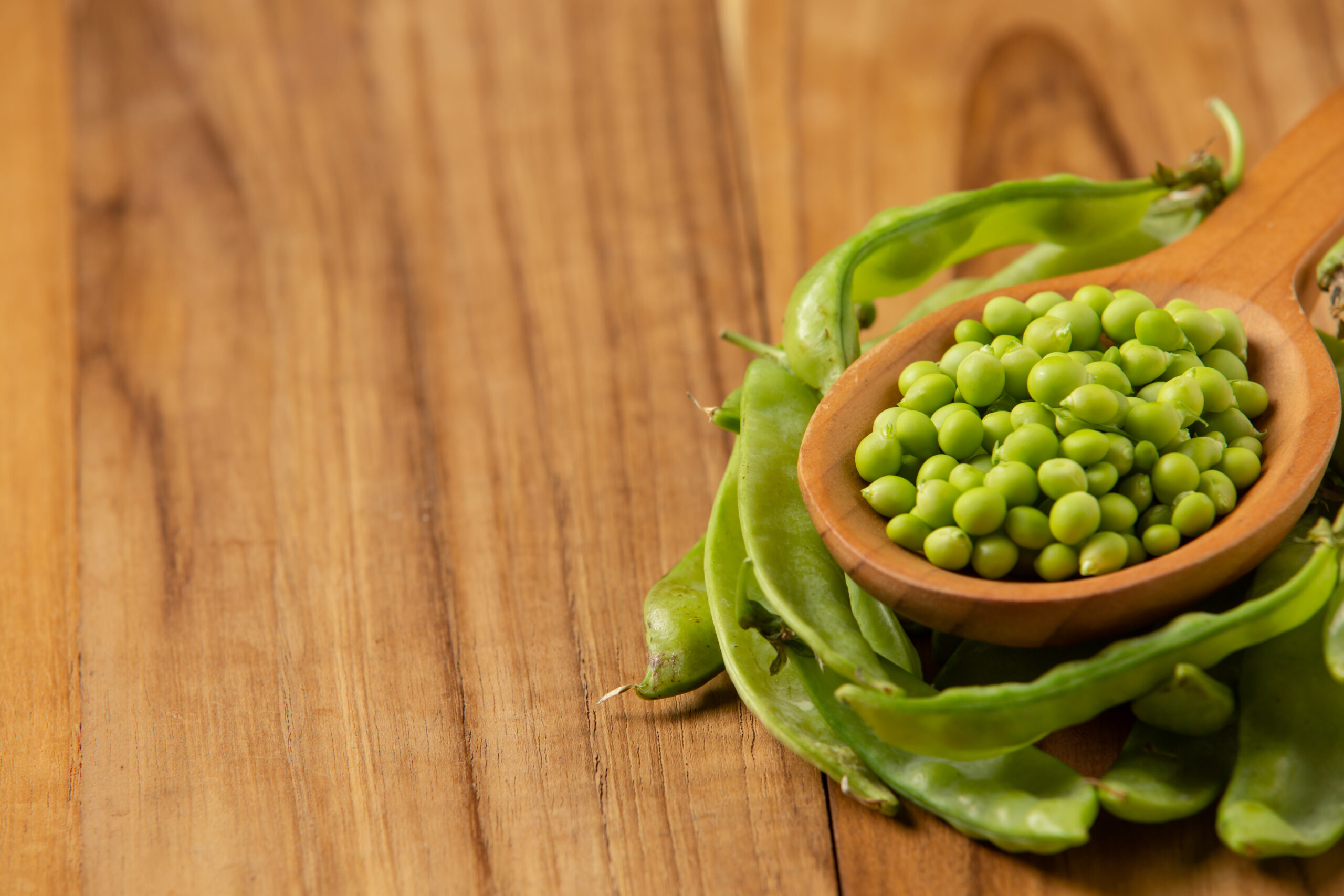
Green peas are a widely consumed legume, cherished for their sweet flavor, vibrant color, and impressive nutritional profile. As a staple in many global cuisines, green peas contribute significantly to daily nutrition and food variety, serving as a valuable source of plant-based protein, fiber, vitamins, and minerals.
Packed with nutrients like vitamin C, vitamin K, folate, and iron, green peas support overall health and wellness. Their natural sweetness and tender texture make them a versatile ingredient in soups, salads, curries, rice dishes, and snacks. Easy to cook and digest, green peas are enjoyed fresh, frozen, or dried across diverse culinary traditions. In addition to their nutritional benefits, green peas are an important crop for sustainable agriculture and soil health, helping to enrich the land through nitrogen fixation.
Chick Peas / Bengal Gram (Gram Whole and its Dal)
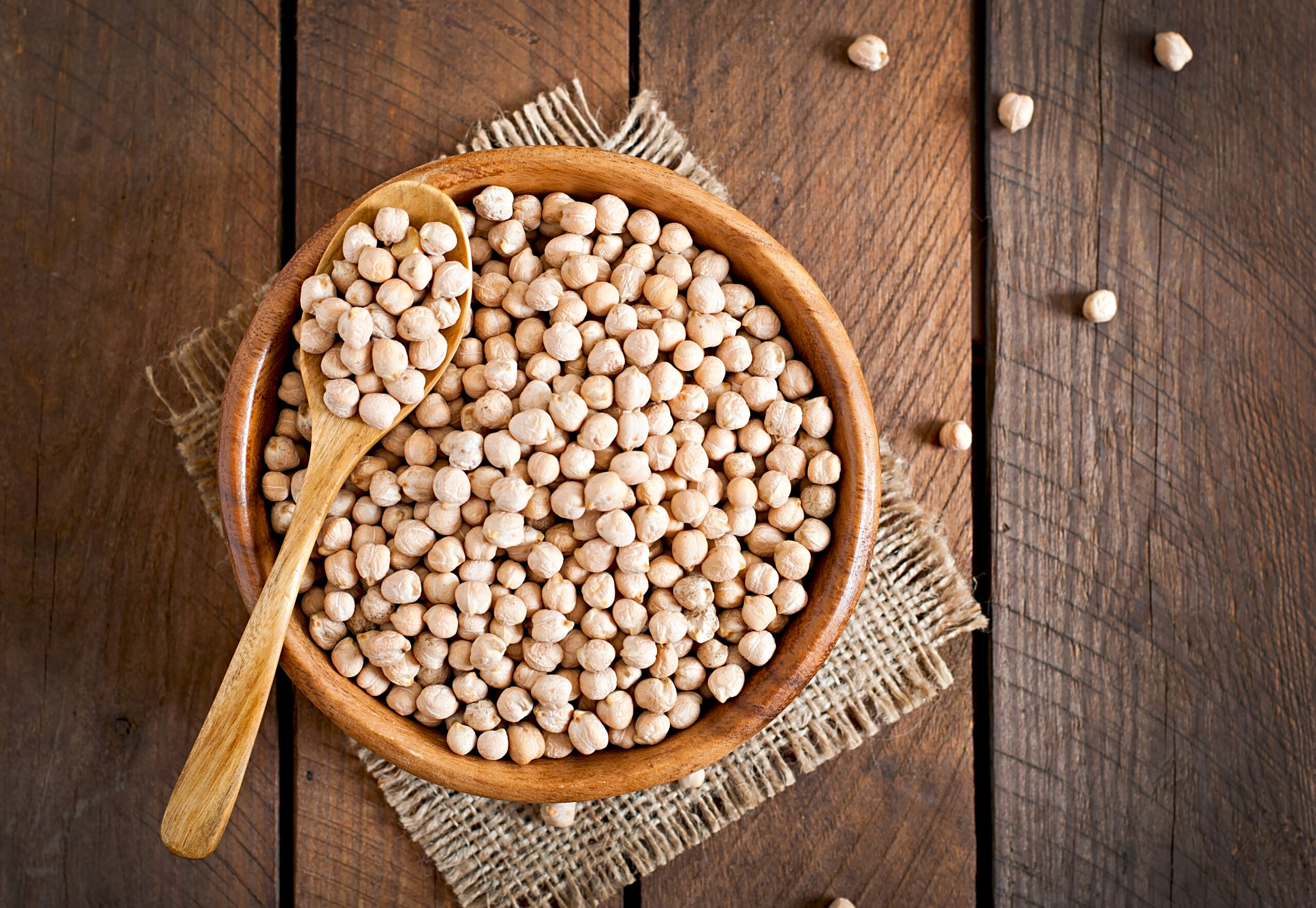
Chickpeas, also known as garbanzo beans or chana, are one of the world’s most popular and nutritious legumes, playing a major role in diets across the Middle East, South Asia, the Mediterranean, and beyond. Renowned for their rich, nutty flavor and satisfying texture, chickpeas provide a substantial source of plant-based protein, dietary fiber, and essential vitamins and minerals.
Loaded with nutrients such as protein, fiber, folate, iron, phosphorus, and manganese, chickpeas help support overall health and sustained energy. Their versatility makes them a staple ingredient in countless dishes, from classic hummus and curries to salads, soups, and snacks. Whether cooked, roasted, or ground into flour, chickpeas add nutritional value and delicious taste to a wide range of traditional and contemporary recipes. As a resilient and sustainable crop, chickpeas also contribute positively to global food security and environmentally friendly farming.